Welcome to a murder mystery. The year: 1930. The location: Little Tel Aviv. The victim: An architectural style.
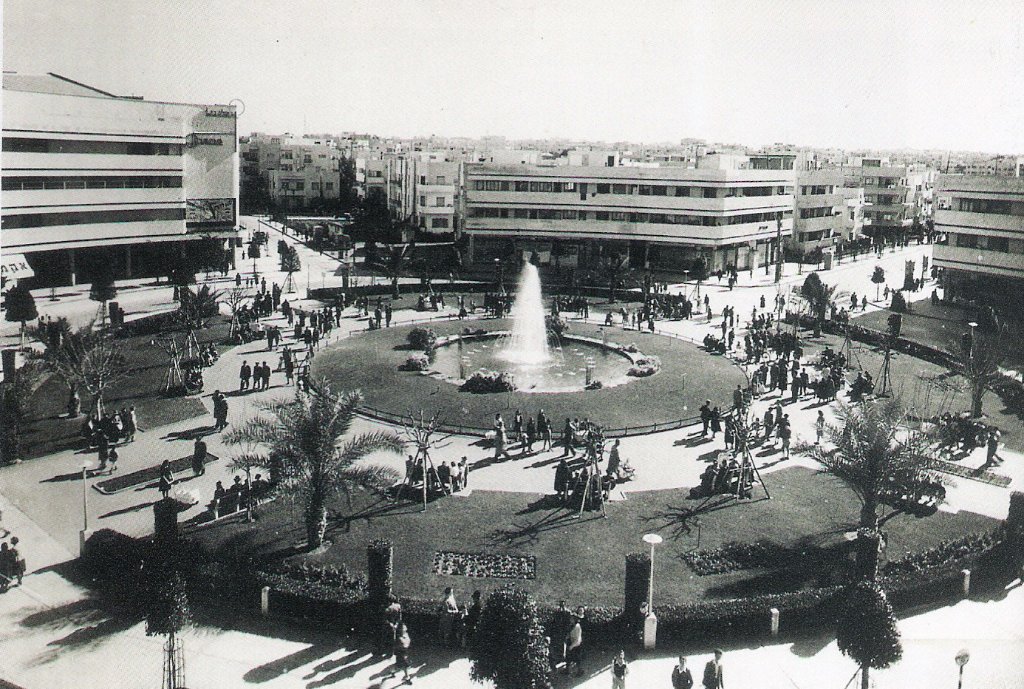
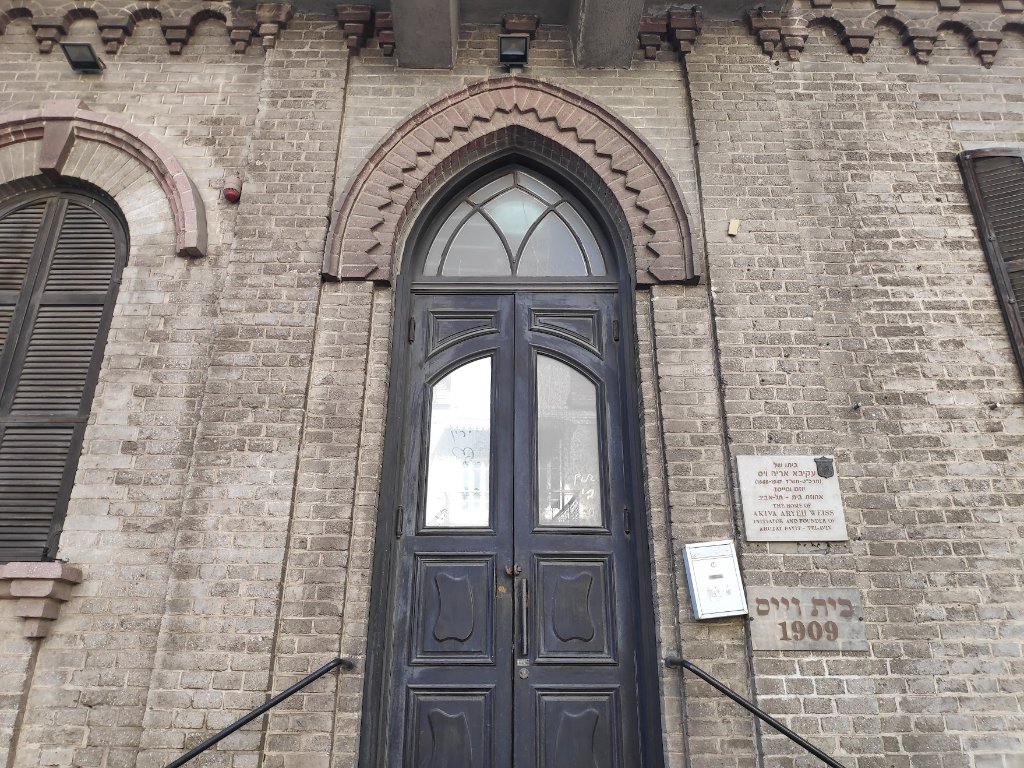
In 1909, a suburban neighborhood was founded on the outskirts of the bustling port city of Jaffa. Its name in Israel—"Ahuzat Bayit." Not many know this, but the famous "First Hebrew City" began as a quiet suburb for the bourgeois Jewish population of the Second Aliyah.
In fact, you can still see those bourgeois ambitions today. Tel Aviv is a city where houses are generally not attached to one another, unlike Paris or London. Every house has a yard. It's unusual. It's middle-class. And above all, it's suburban.
The Roots of the Dream
The Garden City movement was part of the British Arts & Crafts movement, which sought to return traditional craftsmanship to the reality of modern man. The 19th century was an era of rapid industrialization; social movements emerged that championed the return of humanity to a more natural environment.
While Arts & Crafts focused on the handmade, the Garden City Movement sought to create "green lungs" within the modern metropolis. The artistic style that accompanied these movements was Art Nouveau—that ornamental style defined by illustrations, nature-inspired decorations, and colorful, naive imagery.
Looking back, Art Nouveau is often considered a "minor" movement compared to the raw power of Expressionism. However, the general public loved it then, and they love it now. Well, history is written by the winners.
The Winners and the Victim
Tel Aviv had winners, too. They built beautiful, important buildings—the kind that eventually earned Tel Aviv its status as a UNESCO World Heritage site. I am referring to International Style architecture, known in Israel as "Bauhaus."
But let's talk about the victim—that deceased architectural style. It has a name: The Eclectic Style.
Eclectic means "collecting from various sources." The first architectural style of the first Hebrew city was a collection. An eclectic building "wears" elements from different cultures on a single facade.
The eclectic houses of Little Tel Aviv were a mix of diverse traditions:
The Classical: Doric, Ionic, and Corinthian columns, and pediments over entrance doors.
The Modern: Simple geometric shapes like squares and rectangles embedded into the building's grid.
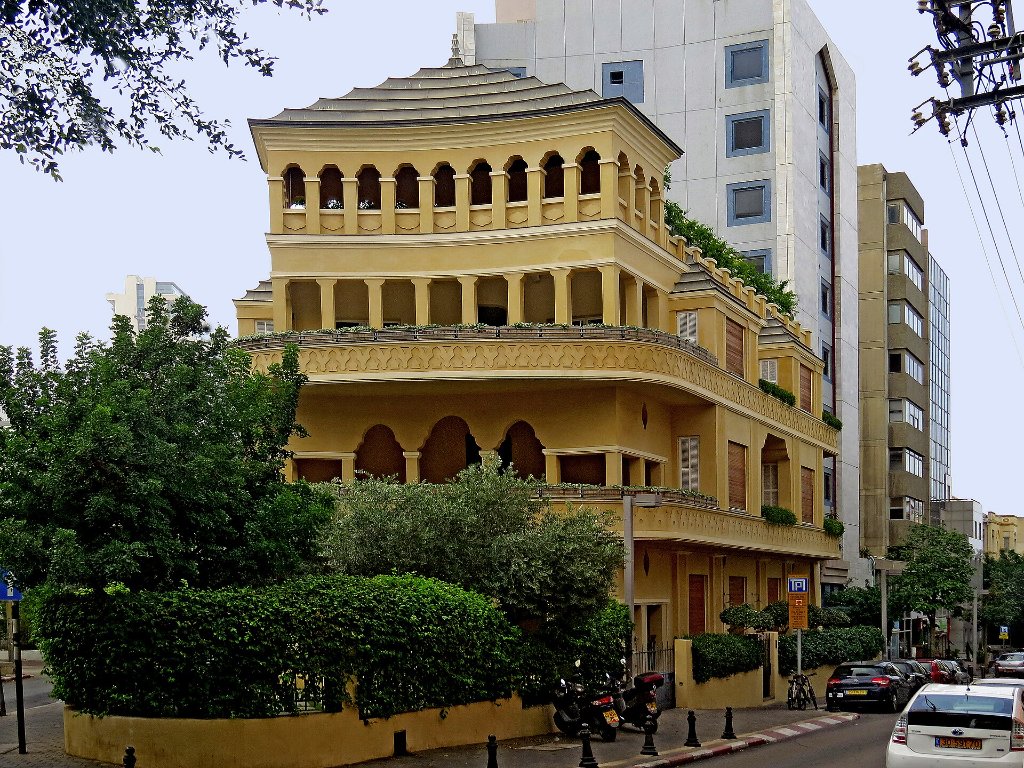
The Exotic: Rare outliers like the "Pagoda House" in King Albert Square, inspired by Far Eastern and Japanese architecture.
But the most fascinating element was the third influence: Local Arabic culture. In many eclectic buildings, you can see domes, mosaics, wall paintings, various types of arches, and Arab-style battlements
.
"Ornament is Crime"
This is why these houses were nicknamed "Dream Houses." They looked like they were plucked from a fantasy. On one hand, a dream come true—many cultures fused into one. On the other hand, a dream can be "airy nothing," lacking a grip on reality.
The peak of this backlash was captured in the slogan: "Ornament is Crime."
Yet this "loathsome" eclectic style was performing a pioneering act that has not been repeated since: the creation of an architectural language that drew from the local, the Oriental, and the Jewish.
Imagine an elite school being built today, where the architect places two massive pillars at the entrance meant to represent Boaz and Jachin—the two pillars at the entrance to the Holy Temple. Today, people would scream "religious coercion!"
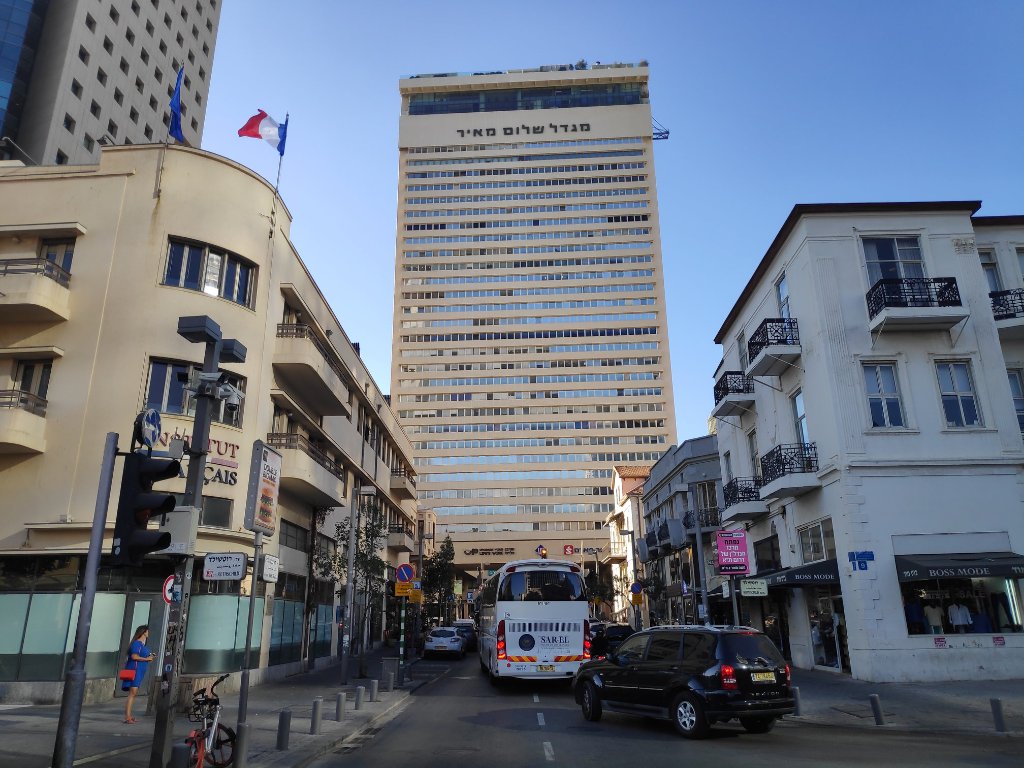
But this building actually existed. It was the Herzliya Hebrew Gymnasium, with its famous facade later demolished to make way for the Shalom Meir Tower. In the early 20th century, there was nothing more natural than weaving Zionism, Judaism, Greek culture, and Middle Eastern culture into one structure.
The Final Blow
This didn't suit the next generation of architects. They were educated at the Bauhaus school in Germany and returned with the gospel of Modernist aesthetics. From the 1930s onward, there was no more room for poetic, picturesque dreams.
The City Engineer took it upon himself to eliminate any new eclectic designs. If an architect arrived with a plan, the City Engineer would—in a single motion—erase the decorations, round out the balconies, and voila: a new Bauhaus building was born.
And the Eclectic style? Abandoned. Forgotten. For the average Israeli, Tel Aviv architecture is "International Style" and nothing else. The Dream Houses still stand, and some are being beautifully restored. But their status—and their unique connection to the original, suburban "Ahuzat Bayit" Tel Aviv—is a song that has yet to be sung.