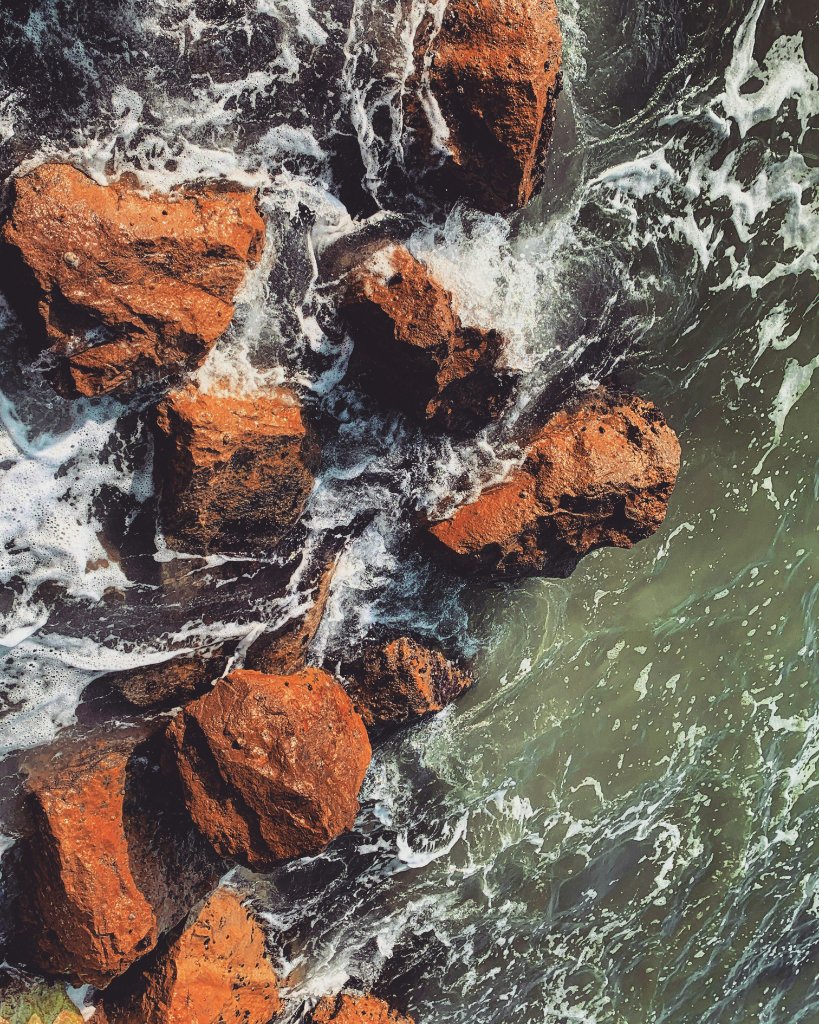
Coastal Cities – The Levant's Underrated Shore
Core Insights with Intellectual Trip
The Influence of Canaanite Cultures
Examining how ancient Canaan influenced both Greek and Israelite cultures.
Coast vs. Mountain
Analyzing the complex historical relationship between the coastal regions and the central mountain range.
The Importance of Maritime Trade
A review of the role of sea trade in the economy of the ancient Near East.
Encounters with Neighbors
A study of Israel's relations with the Philistines and Phoenicians as depicted in the Biblical narrative.
Route Summary
The underrated Mediterranean coast of the Levant was a historical high-speed highway where we will trace the maritime empires of the Phoenicians—master traders who connected East and West—and the Philistines, the "Sea People" who introduced Aegean culture. We'll examine how their wealth was built on legendary purple dye, their influence on Classical Greek philosophy, and their enduring gift: the phonetic alphabet.
Key Sites on This Journey
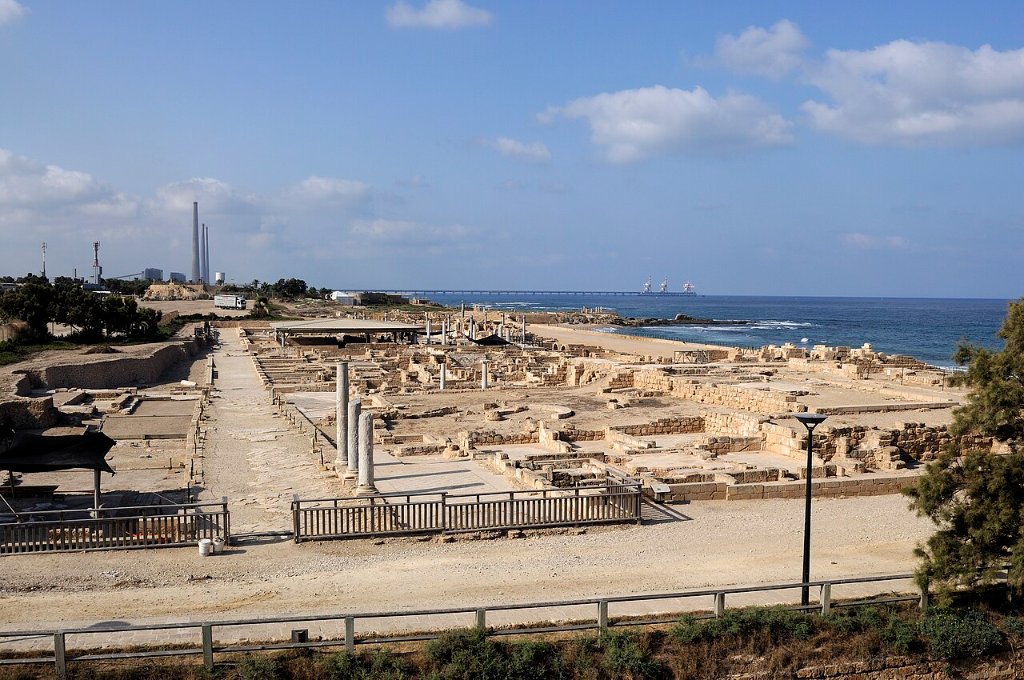
Caesarea Maritima
Built by Herod the Great as a visionary "Smart City" of the ancient world, Caesarea was a masterpiece of Roman engineering. We explore the massive artificial harbor, the hippodrome, and the theater to discuss how Judea attempted to integrate into the global Roman Empire. It is a site of architectural ambition, where the "Intellectual Trip" of the ancient world met the practical power of Rome.
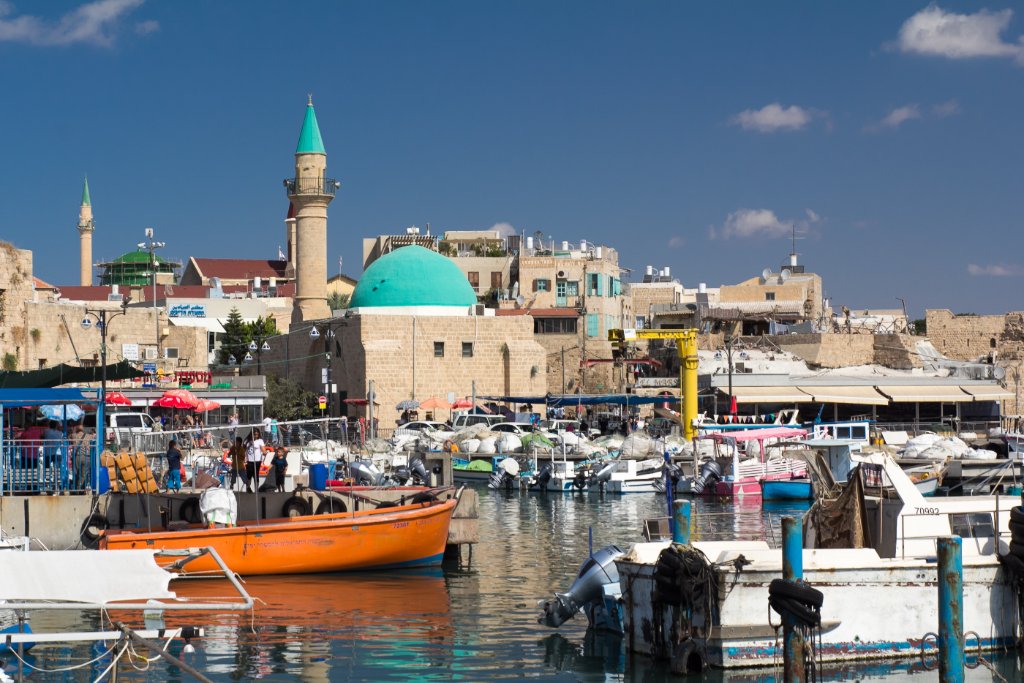
Ancient Akko (Acre)
A UNESCO World Heritage site, Akko is a vertical timeline of history. We descend into the massive subterranean halls of the Knights Templar to discuss the Crusader era, then rise to the Ottoman ramparts that famously repelled Napoleon. It is a city of secret tunnels and bustling markets, where the smells of spice and sea air have remained unchanged for centuries.
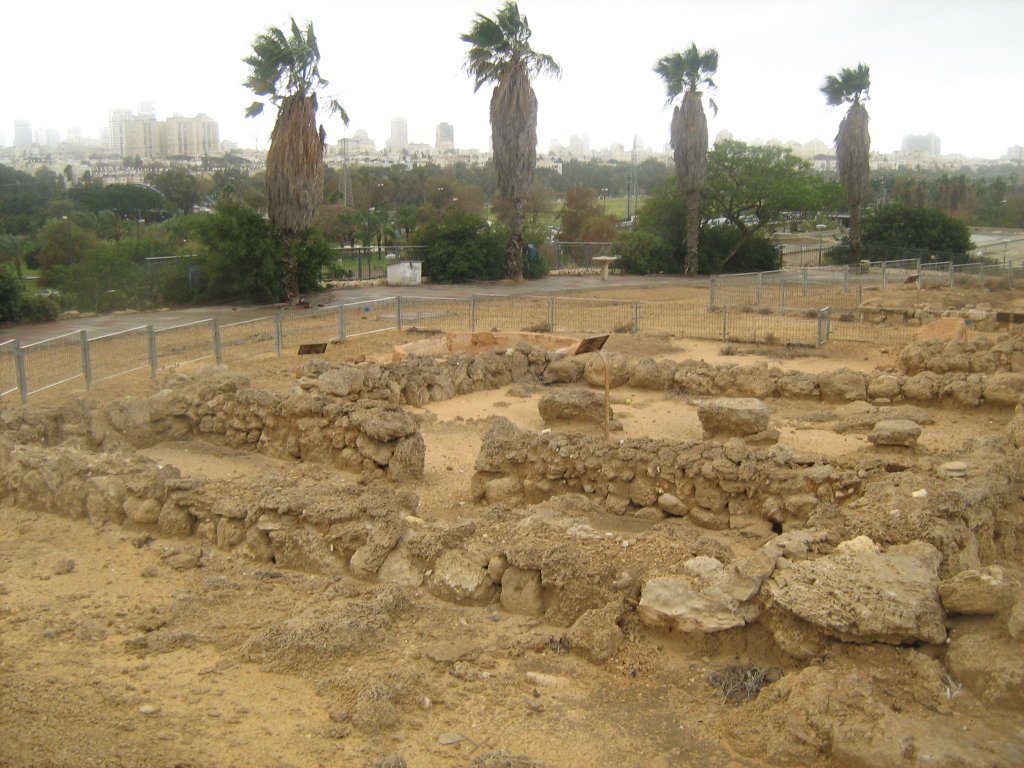
Tell Qasile (The Philistine Port)
Located in the heart of modern Tel Aviv, this site offers a rare glimpse into a Philistine port city that thrived over 3,000 years ago. We explore the unique remains of three successive Philistine temples, analyzing their Aegean-inspired architecture and the sophisticated "Philistine Bichrome" pottery found on-site. It is the perfect location to challenge the "uncultured" stereotype of the Philistines and discuss their role as a bridge between the Greek islands and the Levant.
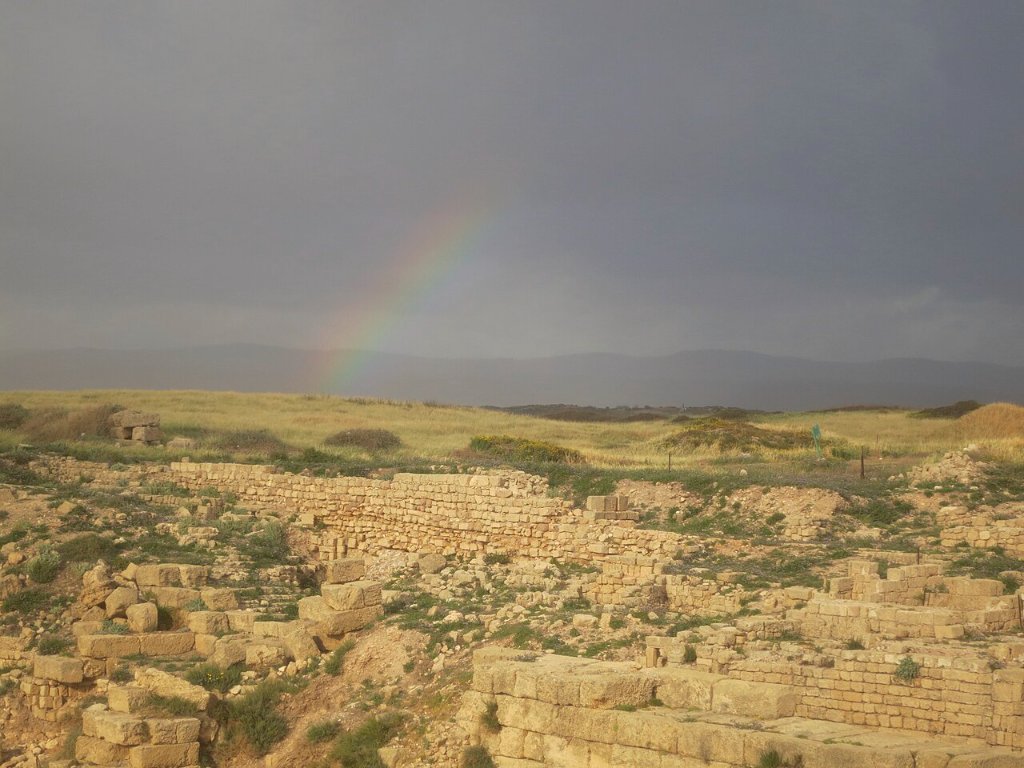
Tel Dor (The City of the Sea)
Known as the "Pompeii of Israel," Tel Dor was a major Phoenician port and a center for the production of the royal purple dye. We walk along the rugged coastline to see the remains of ancient harbors and temples, discussing the Phoenician "monopoly" on maritime trade. It is here that we explore the birth of the alphabet—a tool created for the practical needs of global commerce.
Tour Details
Included
Entrance fees to all listed sites, a specialized "Alphabet & Inscriptions" workshop, certified professional guide, private VIP vehicle, and hotel pick-up and drop-off.
Not Included
Food and drinks, entrance fees to additional sites not mentioned above, and gratuities.